



How to Choose a Stand Mixer That Won't Overheat Heavy Loads?
February 04, 2026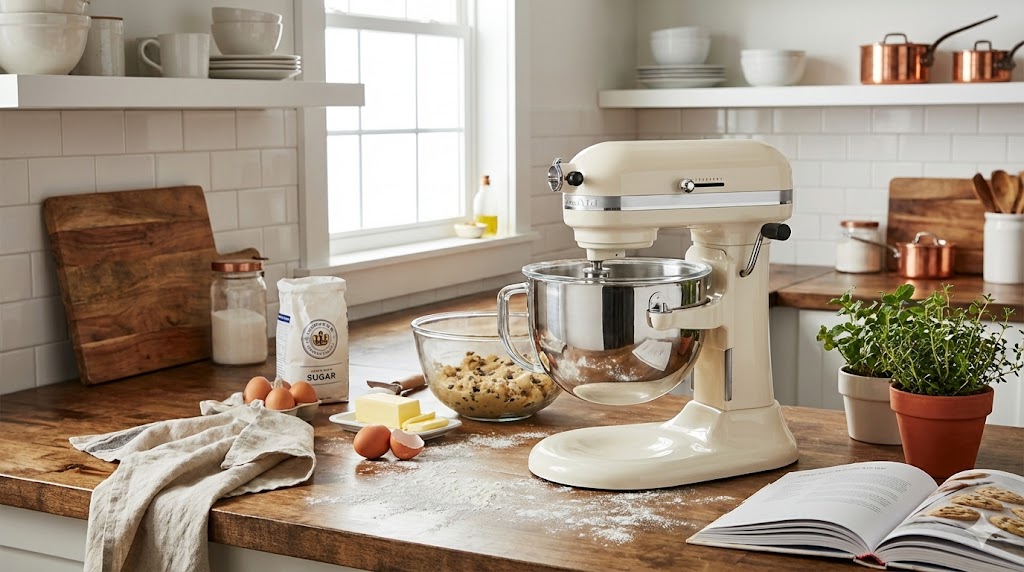
When you select an electric stand mixer for mixing baking ingredients, focus on motor strength, cooling systems, and sturdy build. Many users believe a stand mixer handles any task, but overloading can cause overheating. Check the table below for differences between entry-level and professional models:
|
Feature |
Entry-Level Models |
Professional-Grade Models |
|---|---|---|
|
Overheating Risk |
Higher risk |
Designed for heavy loads |
|
Motor Power |
Lower horsepower |
1.5 HP or higher |
Choose an electric stand mixer with at least 500W for heavy doughs.
Match the mixer’s specs to your kitchen appliance needs.
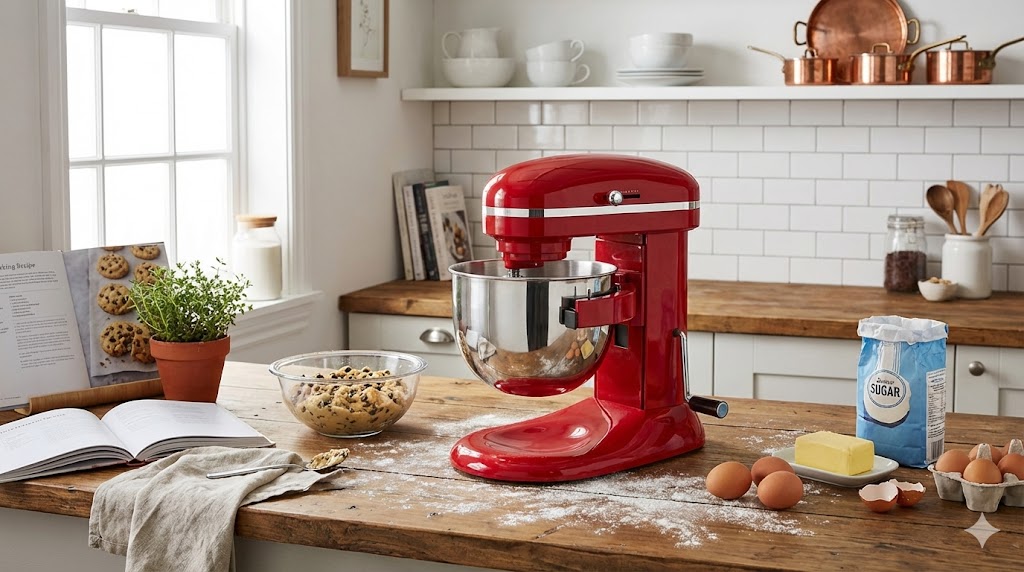
A stand mixer is a powerful kitchen appliance that helps you mix, knead, and whip ingredients with ease. You place the bowl on the base, attach the mixing tool, and let the machine do the hard work. Unlike hand mixers, a stand mixer sits on your countertop and uses a motor to spin the beater. This design gives you more power and stability for tough tasks.
Stand mixers can handle thick cookie dough, heavy cream, and bread dough.
Many models, like the Kitchen Aid Stand Mixer or Electric Cake Mixer, offer attachments for making pasta or sausage.
Stand mixers are heavier and take up more space than hand mixers.
Most stand mixers use a single beater that spins in one direction while moving around the bowl in the opposite direction. This is how stand mixers work to mix ingredients evenly.
Locking powerheads keep the mixer stable when you work with heavy dough.
When you need to mix large or dense batches, a stand mixer shines. The large capacity bowl, such as the 7L or 8L SUS304 bowl in the Sanlida Electric Cake Maker Mixer, lets you prepare more at once. This saves time and effort, especially if you bake often.
A big bowl handles thick mixtures and ensures even mixing.
You can make multiple loaves or big batches in one go, just like with a Commercial Grade Cake Mixer or Professional Dough Mixer.
Matching bowl size to your recipe helps prevent spills and messy cleanups.
The strong motor and sturdy build show how stand mixers work for heavy-duty tasks.
A stand mixer, especially one with a powerful motor and large bowl, becomes your best friend for bread, cakes, and more.
When you choose a stand mixer for heavy-duty baking, you need to pay close attention to motor power and cooling systems. A strong motor is the first line of defense against overheating. For mixing thick doughs or large batches, look for a stand mixer with at least 500 watts. If you use a bowl larger than 7 quarts, you should consider models with 750 watts or more. The Sanlida Electric Cake Maker Mixer, for example, offers a powerful 1400W or 1500W motor, which gives you the strength to handle bread dough, pizza dough, and other dense mixtures without straining the machine.
Proper ventilation is also essential. Motors generate heat during use, especially when mixing heavy loads. If the air vents or intakes become blocked, the motor cannot cool down, which increases the risk of overheating. You should always check that your stand mixer has clear air pathways and a smart cooling system. Some advanced mixers use internal fans that continue to run after you finish mixing. This feature helps the motor cool down faster and extends the life of your appliance.
Tip: Always allow your stand mixer to rest between long mixing sessions. This practice helps prevent the motor from getting too hot and keeps your mixer running smoothly for years.
Here is a quick reference for motor power and suitable applications:
|
Motor Power Rating |
Suitable Applications |
|---|---|
|
250-275W |
Cake batters, cookie doughs, light frostings |
|
325W |
Thicker batters, breads |
|
575-970W |
Stiff artisan breads, heavy pasta, large batches |
If you often bake bread or work with heavy dough, a stand mixer with all-metal gears and a pure copper motor, like the Sanlida Electric Cake Maker Mixer, will give you reliable performance. These features help the mixer handle stress and reduce the chance of overheating.
Modern mixers also include smart features to help you avoid overmixing. For example, an LED timer lets you set precise mixing times. This function ensures you do not run the mixer longer than necessary, which helps keep the motor cool. Some mixers even adjust their speed based on the bowl load, further protecting the motor.
Build quality plays a big role in preventing overheating. A stand mixer with full metal gears, ball bearings, and a sturdy belt structure can handle heavy loads without breaking down. These components reduce friction and wear, which means less heat builds up inside the machine. The Sanlida Electric Cake Maker Mixer uses these features to deliver smooth and quiet operation, even when you mix thick dough or large batches.
Mixing action also affects how much heat your stand mixer generates. Planetary mixers, like the Kitchen Aid Stand Mixer and Electric Cake Mixer, move the beater in a circular path while spinning it at the same time. This action mixes ingredients evenly but usually operates at lower speeds. Lower speeds create less friction and heat, which helps prevent overheating. If you use a Commercial Grade Cake Mixer or Professional Dough Mixer, you may notice they use different mixing actions to handle even larger loads.
You should always manage your mixer’s speed and dough hydration. Mixing at the right speed and adding enough liquid to your dough can reduce stress on the motor. This practice helps keep your stand mixer cool and prevents damage during heavy use.
Choose a mixer with a strong motor and smart cooling.
Look for all-metal gears and a solid build.
Use the LED timer to avoid overmixing.
Adjust speed and dough hydration for best results.
By focusing on these features, you can select a stand mixer that stays cool, even when you tackle tough recipes. This approach keeps your kitchen running smoothly and your baking projects on track.
Knowing how to use a stand mixer correctly will help you get the best results and extend its life. Always start by reading the manual. This step teaches you how to use a stand mixer safely and efficiently. Begin mixing on a low speed to combine ingredients without splattering. For dough, use the dough hook at speed 2 or lower. This practice prevents strain on the motor and keeps your stand mixer running smoothly.
|
Tip |
Description |
|---|---|
|
Use Speed 2 or Lower |
Following KitchenAid's recommendation helps prevent strain on the motor, ensuring longevity. |
|
Avoid Overloading |
Do not exceed 70% of the mixer's capacity to prevent uneven mixing and potential damage. |
|
Mix in Intervals |
If the mixer lacks an automatic thermal cutoff, mixing in intervals allows cooling, preventing overheating. |
You should avoid overloading your stand mixer. Filling the bowl past 70% of its capacity can cause uneven mixing and may damage the machine. If you need to mix a large batch, split it into smaller portions. Mixing in intervals gives the motor time to cool down, especially if your mixer does not have an automatic thermal cutoff. This method works well for bread dough and other heavy mixtures.
Regular maintenance keeps your stand mixer in top shape. Wipe down the machine after each use. Inspect attachments weekly and listen for unusual noises every month. Check electrical components for heat or loose connections. Lubricate moving parts with approved lubricants and tighten any loose hardware. For home use, re-grease your mixer every three to five years. If you use your mixer heavily or in a commercial setting, service it more often.
|
Maintenance Routine |
Description |
|---|---|
|
Check electrical components |
Inspect for overheating or loose connections to prevent premature wear on circuit boards. Use thermal imaging to identify heat buildup. |
|
Lubricate mechanical components |
Use manufacturer-approved lubricants to ensure smooth operation and prevent debris accumulation. |
|
Tighten loose hardware |
Regularly check and tighten hardware on mixers to avoid mechanical failures due to vibrations. |
Watch for warning signs that your stand mixer may be overheating. These signs include:
Unusual heat from the motor casing
Warm electrical cabinet
Hot bearing housing
Overheating of the device
Unusual noises
Warning light activation
Burning odors
Excessive vibrations
Gradual rise in surface or housing temperatures
Reduced efficiency or speed
If you notice any of these issues, stop using the mixer and let it cool down. Addressing problems early prevents long-term damage.
When learning how to use a stand mixer, remember to adjust the beater clearance. If you see unmixed flour or sugar at the bottom of the bowl, the beater may sit too high. Scraping sounds or metal-on-metal contact mean the beater is too low. Adjusting the clearance ensures even mixing and protects your bowl.
You can use your stand mixer for many tasks, from whipping cream to kneading bread. The Kitchen Aid Stand Mixer, Commercial Grade Cake Mixer, Professional Dough Mixer, and Electric Cake Mixer all offer different features for various needs. Choose the one that matches your baking style and follow these tips to keep it working well for years.
To maximize the lifespan of your stand mixer, always be mindful of its capacity. Overloading can lead to uneven mixing and potential damage. Mixing in intervals and allowing the machine to cool down between sessions helps prevent overheating and ensures the quality of your dough.
By following these guidelines, you will know how to use a stand mixer for heavy loads and keep it running at its best.
Choosing the right stand mixer keeps your baking smooth and safe. Check this table for what matters most:
|
Feature |
Description |
|---|---|
|
Motor Power |
500 watts or more for heavy mixing, like a Professional Dough Mixer. |
|
Thermal Cut-offs |
Prevents overheating during long use. |
|
Bowl Size |
Large bowls, like those in a Commercial Grade Cake Mixer, save time. |
|
Build Quality |
Metal designs, such as the Kitchen Aid Stand Mixer, last longer. |
Match attachments to your recipes:
Use a dough hook for bread.
Pick a flat beater for batters.
Choose a wire whip for cream.
With the right care and the right mixer, like the Electric Cake Mixer, you can bake confidently every time.
You get the best results with a 7L or 8L bowl. Large bowls, like those in a Commercial Grade Cake Mixer, handle thick dough without spills.
Let your mixer rest between batches. Use the right speed for each task. Models like the Electric Cake Mixer and Professional Dough Mixer offer strong motors and cooling features.
Most attachments fit only their own brand. Always check compatibility before you buy. Kitchen Aid Stand Mixer accessories may not work with other mixers.



Tel : +86-755-8450 0805
Email : sale@sanlidaco.com
No.27,Jiangjunmao lndustrial area, Wulian community, Longgang street,Longgang district, Shenzhen City, Guangdong Province, China 518083
© 2026 Shenzhen Sanlida Electrical Technology Co.,Ltd
