



DC vs. AC Motors in Stand Mixers: What’s the Difference?
May 13, 2026
Imagine you want to upgrade your mixer for baking bread or whipping cream. You notice that some stand mixers use DC motors, while others rely on AC motors. This choice affects how your stand mixer performs, how much noise it makes, and how reliable it stays over time. DC motors often give you quieter operation and more precise speed control, while AC motors can reduce cost and offer a simpler design. When you compare stand mixer models, you see differences in mixing performance, kneading efficiency, and noise level. For example, the Beautiful by Drew Barrymore mixer excels at whipping but gets noisy at high speeds. The Pioneer Woman mixer outperforms pricier mixers in mixing and emulsifying tasks. Understanding these differences helps you pick the best stand mixer for your kitchen, whether you bake professionally or just for fun.
DC motors provide quieter operation and precise speed control, making them ideal for delicate mixing tasks.
AC motors are more affordable and simpler in design, suitable for everyday baking needs and light mixing jobs.
For heavy-duty baking, such as bread dough, choose a stand mixer with a DC motor for better torque and performance.
Consider your baking habits and kitchen space when selecting a mixer; DC motors are compact and efficient, while AC motors may take up more space.
Investing in a DC motor mixer can offer long-term value for serious bakers, while AC motors are great for casual users on a budget.
When you use a stand mixer with a DC motor, you get a different experience compared to traditional mixers. A DC motor runs on direct current, which means electricity flows in one direction. This design lets the motor deliver power smoothly and efficiently. You notice that the mixer starts up quietly and changes speeds without sudden jumps. The motor responds quickly when you adjust the speed dial, so you can mix delicate batters or knead heavy dough with confidence. DC motors use less energy because they only draw the power they need for the task. This makes them more efficient and helps keep your kitchen cooler during long baking sessions.
You benefit from several advantages when you choose a stand mixer with a DC motor. First, you enjoy quieter performance. The motor produces less noise, so you can have a conversation or listen to music while baking. Second, you get precise speed control. The motor allows you to select exact speeds, which helps you avoid over-mixing or under-mixing ingredients. Third, DC motors are compact. The smaller size means your mixer takes up less space on the counter or in storage. Fourth, you get stronger torque. This means the motor can handle thick bread dough or cookie batter without slowing down. The higher torque helps you mix dense ingredients evenly and quickly. Finally, DC motors tend to last longer because they run cooler and face less wear and tear. If you bake often or work with tough recipes, a mixer with a DC motor gives you reliable performance and consistent results.
You often find ac motors in many stand mixers. These motors use alternating current, which means the electricity changes direction many times each second. The motor creates a rotating magnetic field that turns the mixer’s attachments. You notice that ac motors start quickly and run at a steady pace. The design of the motor is simple, so you see fewer parts inside the mixer. This simplicity makes the mixer easier to repair and maintain. You can rely on ac motors for basic mixing tasks, such as beating eggs or blending cake batter.
Tip: If you want a mixer for everyday baking, ac motors offer a practical solution.
You benefit from several features when you choose a stand mixer with an ac motor. First, the motor costs less to produce, so you pay a lower price for the mixer. Second, the motor’s design is straightforward, which means fewer things can go wrong. Third, ac motors are common in many kitchen appliances, so you find replacement parts easily. Fourth, the motor works well for light and medium mixing jobs. However, you may notice that the motor struggles with thick dough or heavy ingredients. The magnetic field in ac motors changes direction, which can affect how much power the motor delivers. Sometimes, the motor gets warm after long use, which may reduce reliability over time. You should consider these factors if you bake often or use your mixer for tough recipes.
|
Feature |
AC Motor Benefit |
|---|---|
|
Lower Cost |
Affordable mixers |
|
Simple Design |
Easy maintenance |
|
Common Usage |
Widely available parts |
|
Reliability Concerns |
May overheat with heavy use |
You see that ac motors fit most home kitchens. If you bake occasionally, the motor gives you steady performance and saves money.
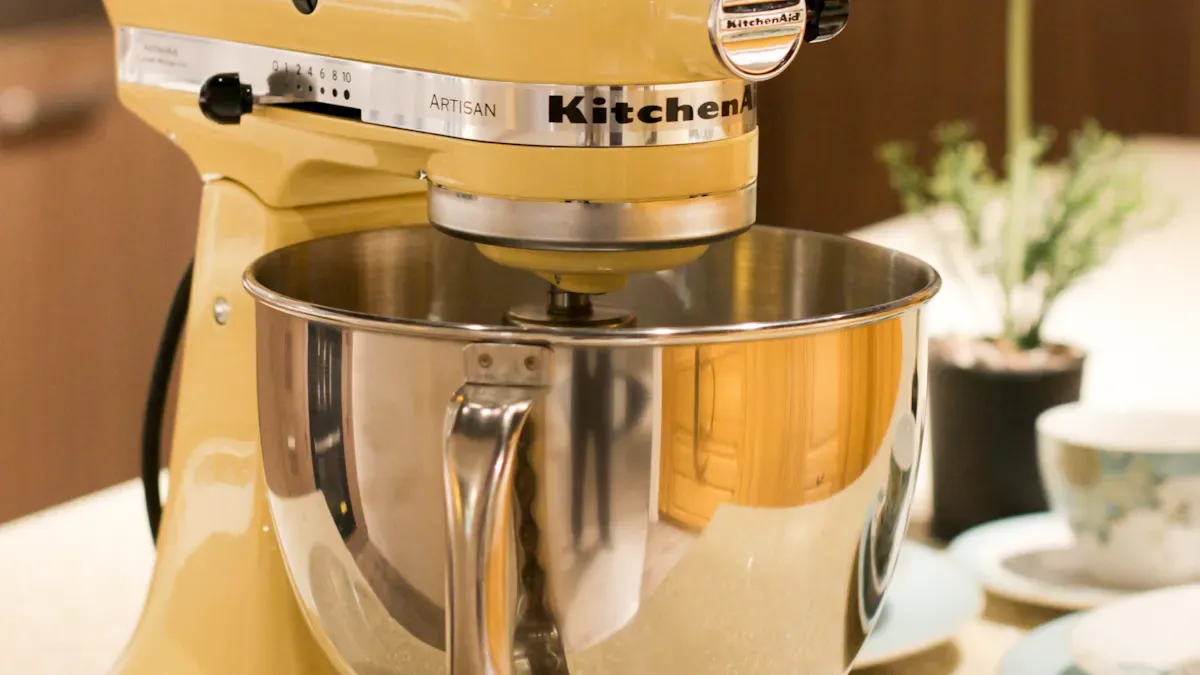
You notice a clear difference in power and performance when you compare stand mixers with DC motors and AC motors. DC motors deliver exceptional torque, which helps you mix thick dough and heavy batters without slowing down. This feature benefits you if you bake bread or work with dense ingredients. AC motors provide steady power for lighter tasks, such as whipping cream or mixing cake batter. However, AC motors struggle under heavy loads and may lose speed when you use the mixer for tough recipes.
|
Motor Type |
How it Works |
Pros |
Cons |
|---|---|---|---|
|
AC Motor |
Creates a rotating magnetic field that induces current in the rotor. |
Simpler construction, cost-effective, lower maintenance for induction types. |
Less torque at lower speeds, struggles under heavy loads, challenging precise speed control. |
|
DC Motor |
Creates a continuous magnetic field with current flowing through the rotor. |
Exceptional torque, superior speed control, smooth acceleration, quieter operation. |
Higher initial cost, complex design can lead to repair challenges. |
If you want a powerful mixer for professional baking, you should consider a DC motor stand mixer. Many commercial mixers use DC motors to handle large capacity batches and deliver consistent results. You find that artisan mixers with DC motors excel in performance, especially when you need to knead dough for artisan bread or prepare recipes that require a stainless steel bowl for durability.
Speed control matters when you bake delicate recipes or need to avoid over-mixing. DC motor stand mixers give you precise speed adjustments. You can select exact speeds for whipping, mixing, or kneading. The mixer responds quickly, so you avoid sudden jumps in speed. AC motor mixers offer basic speed settings, but you may notice less control at lower speeds. This difference affects your results, especially if you bake as a professional chef or want to achieve perfect texture in artisan series recipes.
Note: DC motor mixers provide smooth acceleration and superior speed control, which helps you create consistent batters and doughs.
Noise level impacts your kitchen experience. DC motor stand mixers operate quietly, often producing sound levels around 62 dB(A). This is quieter than most dishwasher cycles. You can talk with friends or listen to music while using the mixer. AC motor mixers tend to be louder, especially at high speeds. If you bake often or work in a professional kitchen, you appreciate the quieter operation of DC motor mixers.
DC motor stand mixers: 62 dB(A) (quieter than dishwasher)
AC motor stand mixers: Louder, especially at high speeds
Durability influences how long your mixer lasts. DC motor stand mixers run cooler and face less wear and tear. You find that these mixers last longer, even with frequent use. AC motor mixers may overheat during long mixing sessions, which can reduce reliability. If you bake professionally or use your mixer for commercial purposes, you benefit from the durability of DC motor artisan mixers. Many proline series mixers feature robust construction and stainless steel bowl designs for added strength.
Size and storage affect your kitchen space. DC motor stand mixers are often more compact, so you save counter space. You can store the mixer easily when not in use. AC motor mixers may be lighter, but they sometimes have larger footprints. You see this difference in models like the Sunran 220V (DC motor, 12.3 kg) and Bosch MUM4605 (AC motor, 9.1 kg). DC motor mixers offer higher dough capacity and longer run times before overheating, which suits professional chefs and commercial kitchens.
|
Model |
Max Dough Capacity (kg) |
Continuous Run Time Before Overheat (min) |
Motor Type |
Gearbox Material |
Weight (kg) |
|---|---|---|---|---|---|
|
Sunran 220V |
2.5 |
15 |
Brushed DC |
Cast Aluminum |
12.3 |
|
Bosch MUM4605 |
2.0 |
10 |
AC Induction |
Plastic Housing |
9.1 |
|
Kenwood KM001 |
1.8 |
8 |
AC Induction |
Stamped Steel |
8.7 |
If you need a large capacity mixer for artisan baking, you should look for DC motor models with a stainless steel bowl. These mixers handle bigger batches and fit well in professional kitchens.
Price plays a role in your decision. AC motor stand mixers cost less, making them a good choice for budget buyers or casual bakers. DC motor mixers have a higher initial price, but you gain better performance, durability, and speed control. If you invest in a professional or commercial mixer, you get long-term value from DC motor artisan series models. Many proline series mixers feature advanced technology and stainless steel bowl options, which justify the price for professional chefs.
Tip: If you bake often or run a commercial kitchen, investing in a powerful DC motor stand mixer pays off with reliable performance and consistent results.
You find that stand mixers with DC motors suit professional chefs, commercial kitchens, and artisan bakers. AC motor mixers fit everyday use and budget buyers. When you choose a stand mixer, consider your baking habits, capacity needs, and the importance of a stainless steel bowl. If you want a powerful mixer for artisan recipes or proline series baking, DC motor models deliver the best results.
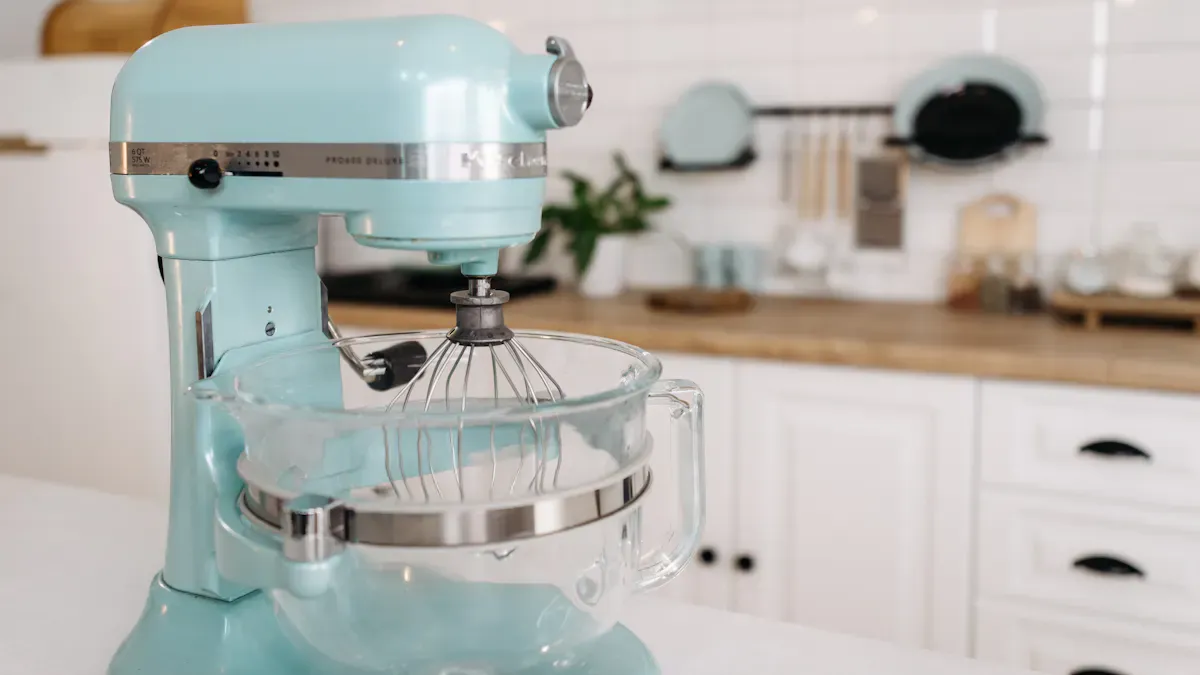
You may notice that KitchenAid mixers have changed over the years. KitchenAid once used DC motors in many of its popular models. These motors gave you quiet operation, strong torque, and precise speed control. Recently, KitchenAid started using AC motors in several new mixers. This shift happened because AC motors cost less and have a simpler design. You see this change in models like the KitchenAid Artisan and KitchenAid Classic. If you compare older KitchenAid mixers with newer ones, you find differences in how they handle heavy dough and dense batters.
Note: If you want a mixer for bread or pizza dough, you should check which motor type your KitchenAid mixer uses. The motor affects how well the mixer handles thick mixtures.
KitchenAid made this transition to meet market demand for affordable mixers. AC motors help KitchenAid offer mixers at lower prices. You also find that AC motors make repairs easier because the design has fewer parts. However, you may lose some benefits that DC motors provided, such as quieter operation and smoother speed changes.
You experience changes in reliability and performance when you use a KitchenAid mixer with an AC motor. AC motors work well for light and medium mixing tasks. You can whip cream, mix cake batter, or prepare cookie dough without issues. If you bake often or use your KitchenAid mixer for heavy-duty recipes, you may notice that the mixer struggles with thick dough. AC motors sometimes lose torque under heavy loads, which affects mixing consistency.
KitchenAid mixers with AC motors may overheat during long sessions. You might need to pause and let the mixer cool down. DC motor KitchenAid mixers usually run cooler and last longer, especially if you bake bread or work with large capacity batches. If you want a mixer for professional baking, you should look for models with DC motors. KitchenAid still offers some high-end mixers with DC motors for commercial use.
|
Mixer Model |
Motor Type |
Best For |
Reliability |
Capacity |
|---|---|---|---|---|
|
KitchenAid Artisan |
AC |
Everyday baking |
Good |
Medium |
|
KitchenAid ProLine |
DC |
Heavy-duty baking |
Excellent |
Large |
|
KitchenAid Classic |
AC |
Light mixing tasks |
Good |
Small |
Tip: If you value durability and performance, consider a KitchenAid mixer with a DC motor. For casual baking, an AC motor KitchenAid mixer gives you reliable results at a lower price.
You see that KitchenAid continues to innovate. The brand offers mixers for every baking need, from light tasks to professional kitchens. You should always check the motor type before buying a KitchenAid mixer. This helps you choose the right model for your recipes and baking habits.
You notice that DC motors bring several advantages to your stand mixer experience. These motors deliver powerful torque, which helps you mix thick dough and heavy batters. You get precise speed control, making it easier to achieve the right texture for artisan recipes. DC motors run quietly, so you enjoy a peaceful kitchen environment. Many professional bakers prefer DC motors for their reliability and high performance. You find DC motors in commercial mixers and professional series models, including the best stand mixer for bread dough.
However, DC motors cost more. You pay a higher price for mixers with DC motors, such as the KitchenAid ProLine and artisan series. Repairs can be more complex because the motor design uses advanced technology. DC motors may require specialized parts, which can increase maintenance costs. You also see fewer DC motor options in budget-friendly mixers.
Tip: If you bake often or need a powerful mixer for commercial use, DC motors offer long-term value.
Pros:
Powerful torque for dense ingredients
Precise speed control
Quiet operation
Reliable for professional and commercial baking
Compact design
Cons:
Higher price
Complex repairs
Limited budget options
AC motors give you a practical solution for everyday baking. You pay less for mixers with AC motors, such as the KitchenAid Artisan and KitchenAid Classic. The design is simple, so you find easy maintenance and widely available parts. AC motors work well for light mixing tasks and basic recipes. You see these motors in many home mixers, including quiet stand mixer for home use models.
You may notice that AC motors struggle with heavy dough. The motor can lose power under tough loads, which affects mixing consistency. AC motors tend to be louder, especially at high speeds. You might experience overheating during long sessions, which can impact reliability. Professional bakers and commercial kitchens often choose DC motors for high performance and durability.
Note: AC motors suit casual bakers and those who want affordable mixers.
Pros:
Lower price
Simple design
Easy maintenance
Widely available parts
Cons:
Less powerful for dense dough
Louder operation
May overheat with heavy use
Reduced reliability for professional baking
If you want a mixer for artisan recipes or commercial baking, consider DC motor models. For everyday tasks, AC motors provide a cost-effective choice. You see both options in the KitchenAid lineup, including proline and artisan series mixers.
If you bake bread, bagels, or pizza dough often, you need a mixer that can handle tough jobs. You want a stand mixer with a motor that delivers strong torque at low speeds. This feature helps you knead thick dough without the mixer slowing down or overheating.
Direct Current (DC) motors are generally superior for bagels because they provide maximum torque at low speeds. Unlike alternating current (AC) motors, which often need to spin fast to stay cool, a high-quality DC motor can maintain a slow, powerful churn without losing strength.
You should look for stand mixers with DC motors if you want the best stand mixer for bread dough. Many professional bakers choose KitchenAid ProLine or other commercial stand mixers for their reliability and power. These mixers work well for large batches and heavy-duty recipes. You get consistent results and longer motor life.
If you bake cookies, cakes, or whip cream, you need a mixer that offers versatility and ease of use. You do not always need the most powerful motor, but you want a stand mixer that can handle a variety of tasks. Consider these factors:
Motor Power: A strong motor helps you mix thick batters and knead dough without slowing down.
Speed Controls: Multiple speed settings let you switch from slow kneading to fast mixing.
Attachments: Dough hooks and whisks increase the mixer's versatility for different recipes.
Design and Bowl Size: Compact mixers fit small kitchens, while larger models suit bigger batches.
KitchenAid Artisan and Classic mixers are popular choices for everyday baking. These mixers offer a balance of power, size, and price. You can find both AC and DC motor options in this category. If you want a quiet stand mixer for home use, look for models with DC motors, as they tend to run more quietly.
If you want a reliable mixer without spending too much, you have several options. Many stand mixers with AC motors cost less and still perform well for basic tasks. You can find mixers that whip cream, mix cookie dough, and handle light batters.
Hamilton Beach All-Metal Stand Mixer ($239): This mixer comes with attachments similar to KitchenAid. It works well for whipping cream and mixing cookie dough, but it may struggle with heavier doughs. This model is a budget-friendly alternative to KitchenAid mixers.
You can also find affordable KitchenAid mixers with AC motors. These mixers suit casual bakers who do not need to knead bread dough often. If you want to save money, compare features and read reviews before choosing a stand mixer.
Before you buy a mixer, think about your baking habits and kitchen space. Here are some considerations before buying:
|
Factor |
Why It Matters |
|---|---|
|
Motor Type |
DC motors suit heavy-duty tasks; AC motors fit basics |
|
Bowl Size |
Larger bowls help with big batches |
|
Attachments |
More attachments increase versatility |
|
Noise Level |
DC motors run quieter for peaceful kitchens |
|
Brand Reputation |
KitchenAid mixers offer proven reliability |
|
Warranty |
Longer warranties give peace of mind |
You should also check if the mixer fits your counter and storage space. If you bake often, invest in a stand mixer with a strong motor and durable design. For professional kitchens, a commercial stand mixer with stainless steel bowl or an artisan series mixer for professional chef gives you the best results. If you need to bake in large quantities, consider a proline series mixer for large capacity baking.
Tip: Always match the mixer to your baking needs. KitchenAid offers a wide range of mixers, so you can find the right model for your recipes and budget.
You see clear differences between DC and AC motors in a stand mixer. DC motors give you quieter operation, energy efficiency, and consistent performance. AC motors provide power but less control. When you choose a stand mixer, think about your baking habits. If you bake bread or need delicate mixing, a stand mixer with a DC motor suits you best. For casual baking, an AC motor stand mixer works well. The table below shows which stand mixer fits your needs:
|
Motor Type |
Characteristics |
Suitability for Bakers |
|---|---|---|
|
DC Motors |
Quieter, more energy-efficient, consistent performance |
Ideal for bakers who prefer a quieter environment and better control |
|
AC Motors |
Powerful but less finesse and control |
Less suitable for delicate mixing tasks |
You should match your stand mixer to your priorities. Every kitchen is different. The best stand mixer depends on what you value most.
You get smoother speed control and quieter operation with a DC motor. This makes a quiet stand mixer for home use ideal if you bake often or want to avoid loud kitchen noise.
AC motor mixers can handle light dough, but you may notice them struggle with heavy bread dough. For the best stand mixer for bread dough, choose a model with a DC motor for better torque and consistent mixing.
You often see DC motor mixers last longer because they run cooler and face less wear. If you want a commercial stand mixer with stainless steel bowl for frequent baking, DC motors offer better durability.
Professional chefs usually prefer DC motor mixers. You get precise control and strong performance, especially with an artisan series mixer for professional chef or a proline series mixer for large capacity baking.
You may find some budget-friendly DC motor mixers, but most cost more than AC models. If you want to save money, look for AC motor mixers with good reviews for everyday baking tasks.



Tel : +86-755-8450 0805
Email : sale@sanlidaco.com
No.27,Jiangjunmao lndustrial area, Wulian community, Longgang street,Longgang district, Shenzhen City, Guangdong Province, China 518083
© 2026 Shenzhen Sanlida Electrical Technology Co.,Ltd
