5 Signs Your Bakery Needs to Upgrade to a Large Capacity Stand Mixer Today
Jun 25, 2026
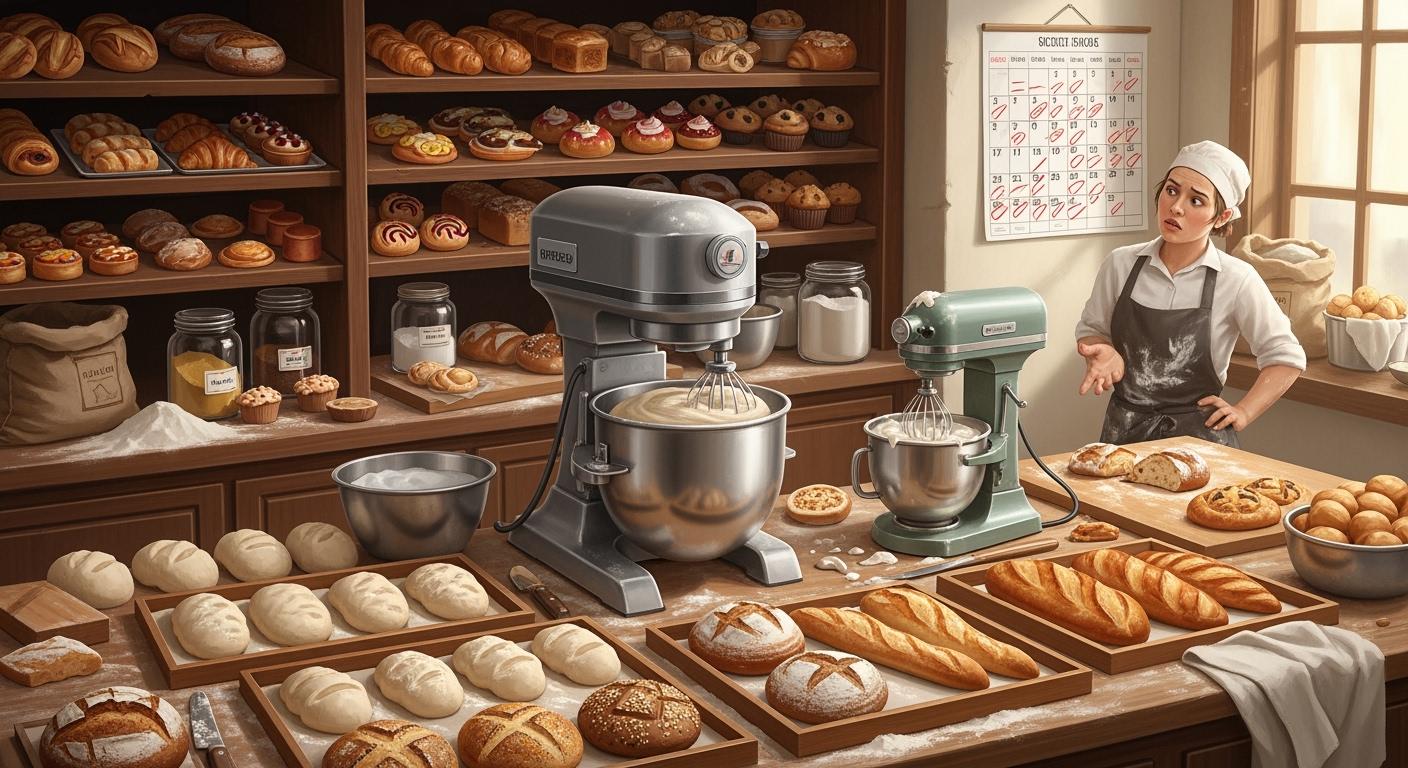
Your bakery’s workflow depends on the reliability and efficiency of your mixing equipment. Many bakeries face challenges with limited bowl capacity or underpowered motors, which slow production and impact quality. Consider the following common issues:
Issue
Description
Small Batch Sizes
A 5 to 7-quart bowl restricts volume, forcing repeated small batches and reducing consistency.
Inconsistent Mixing
Weak motors leave ingredients partially unmixed, leading to streaks of flour or butter.
If you find these problems familiar, your current stand mixer may be holding your business back.
Key Takeaways
Small mixers limit your bakery's production. Upgrading to a large capacity stand mixer allows you to handle bigger batches efficiently.
Inconsistent mixing leads to poor product quality. A heavy-duty mixer ensures thorough ingredient incorporation for better results.
Frequent repairs disrupt your workflow. Investing in a reliable commercial mixer reduces downtime and maintenance costs.
A powerful mixer boosts your bakery's efficiency. It saves time and labor, allowing you to focus on baking and expanding your menu.
Upgrading your mixer supports growth. It helps you meet rising customer demands and maintain high-quality standards.
Mixer Overload and Strain
Signs of Overworked Stand Mixer
You may notice your stand mixer struggling during busy baking shifts. When you push your mixer beyond its intended capacity, several warning signs appear. These include:
The motor overheats or emits a burning smell.
The mixer stalls or slows down when mixing dense doughs.
You hear unusual noises, such as grinding or clicking, from worn gears.
The mixer leaves streaks of flour or butter in the bowl, showing inconsistent mixing.
Safety shutoffs trigger more often, interrupting your workflow.
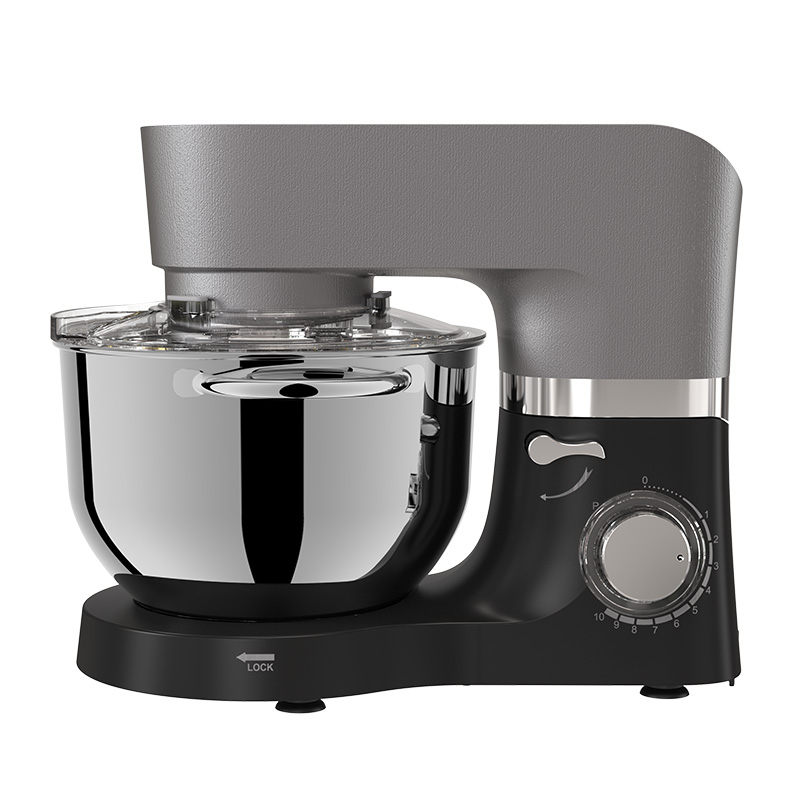
Over time, these issues signal that your current equipment cannot keep up with your bakery’s demands. A heavy-duty stand mixer, such as a Sanlida large capacity model, can handle larger batches and tougher doughs without strain. This type of mixer is designed for continuous use in commercial baking environments, reducing the risk of motor burnout and gear wear.
Risks of Frequent Overloading
Frequent overloading puts your mixer at risk for serious damage. You may see the following problems:
Uneven mixing, which affects product quality.
Increased strain on the motor, leading to overheating and possible failure.
Premature gear wear, especially if your mixer uses plastic gears.
Reduced lifespan of your stand mixer, resulting in more frequent replacements.
Tip: For best results, keep dry mixes under three-quarters of the bowl’s capacity and wet mixes under two-thirds. This practice helps prevent overload and extends the life of your mixer.
Evidence of Overload
Consequences
Motors to overheat
Shortened lifespan
Gears to wear prematurely
Mechanical failure
Safety shutoffs trigger
Operational issues
If you find your mixer overheating or struggling with heavy doughs, it is time to consider a heavy-duty mixer for baking. Upgrading to a large capacity stand mixer, like those from Sanlida, ensures your bakery can meet production goals without risking costly downtime or repairs.
Growing Production Needs
Handling Large Batches
You see your bakery’s order volume rising. Customers expect quick turnaround and fresh products every day. A small stand mixer cannot keep up with the demand. You spend extra hours mixing multiple small batches, which slows down your production line. This process leads to fatigue and increases the risk of mistakes. A heavy-duty stand mixer with top-tier commercial power solves this problem. You can mix large quantities of dough or batter in one go. This approach saves time and boosts efficiency in your kitchen.
A commercial mixer with a powerful motor handles heavy bread dough and thick batters without stalling. You achieve consistent results with every batch. The right stand mixer supports your bakery’s growth and helps you meet deadlines. You also reduce wear and tear on your equipment, which improves durability and performance.
Note: Upgrading to a heavy-duty stand mixer means you can handle peak hours and special orders with confidence. You no longer need to worry about your mixer overheating or breaking down during busy shifts.
Expanding Recipe Variety
Expanding your menu brings new challenges. You want to offer a wider range of baked goods, from artisan breads to specialty cakes. Each recipe may require different mixing times and speeds. A heavy-duty stand mixer gives you the flexibility to switch between recipes without changing equipment. You can knead dough for bread, whip meringue, or blend cake batter using the same commercial mixer.
This versatility allows you to experiment with new products and respond to customer trends. You maintain high quality across your menu because your stand mixer delivers reliable mixing power. Investing in commercial restaurant equipment with large capacity ensures you never have to compromise on quality or quantity. Your bakery stays competitive and ready for growth in the commercial baking market.
Inconsistent Mixing Results
Uneven Dough and Batter
You notice that your mixer leaves pockets of unmixed flour or butter in your dough. This inconsistency signals a limitation in your current stand mixer. Small mixers often lack the power and agitation needed to blend ingredients thoroughly. You see the following issues in your bakery:
Variability in dough and batter consistency leads to unpredictable product quality.
Batch failures increase, causing waste and lost revenue.
Maintaining product quality, yield, and shelf life becomes difficult.
Modern formulations and process variability complicate the baking process.
The decline of experienced operators makes consistent results harder to achieve.
A heavy-duty stand mixer solves these problems. You gain reliable mixing action that incorporates every ingredient, even in dense doughs or large batches. The right mixer ensures you achieve consistent results, which is essential for commercial baking operations.
Quality Impact from Small Mixers
Small mixers struggle with uniform mixing. Their limited capacity prevents you from producing large batches with consistent texture. The design of these mixers often lacks the circulation and agitation needed for high-quality final product. You experience:
Limited capacity restricts batch size and uniformity.
Some materials require more time or specialized mixing techniques, which small mixers cannot provide.
Mixer design impacts performance, leading to uneven results.
A heavy-duty commercial mixer addresses these limitations. You benefit from proper ingredient incorporation, which reduces variation in texture and structure. This improvement enhances overall product quality and durability. Large capacity mixers allow you to meet increasing demand without sacrificing quality. Your bakery delivers high-quality final product every time, boosting efficiency and performance. Upgrading your equipment ensures you maintain consistent results and stay competitive in the commercial baking market.
Tip: Investing in a heavy-duty stand mixer improves your workflow and guarantees reliable mixing for every batch.
Mixer Limitation
Impact on Bakery
Small bowl capacity
Inconsistent batch quality
Weak mixing action
Poor ingredient incorporation
Limited agitation
Reduced durability
Excessive Maintenance Downtime
Frequent Repairs
You may find yourself calling for repairs more often as your stand mixer ages or struggles with heavy-duty tasks. Frequent breakdowns disrupt your schedule and force you to halt production. The most common causes of repeated repairs include:
Winding insulation breakdown from thermal cycling
Flour dust contamination due to damaged seals
Voltage imbalance or power quality issues from shared circuits
Gearbox lubricant degradation, which can lead to catastrophic gearbox failure
Main shaft bearing wear, causing shaft scoring and possible dough contamination
Each of these issues can bring your bakery to a standstill. When your mixer fails, you lose valuable time and risk missing customer orders. You also face the challenge of finding replacement parts or waiting for service technicians, which adds to your frustration.
Mixer Reliability Issues
Unreliable mixers create a ripple effect throughout your bakery. You may notice that your stand mixer needs constant attention, which drains your resources and impacts your bottom line. The cost of repairs and lost productivity can quickly add up. Consider the following data on repair costs and productivity loss for bakeries using underpowered or aging mixers:
Equipment Failure Type
Repair Cost Range
Productivity Loss Impact
Gearbox Lubricant Degradation
$8,000 - $25,000
Catastrophic gearbox failure leading to downtime.
Main Shaft Bearing Wear
$4,000 - $12,000
Potential metal contamination of dough product.
Motor Winding Insulation Failure
$3,000 - $15,000
Complete motor failure requiring significant downtime.
Spiral Hook Fatigue Cracking
N/A
Risk of product recall due to contamination.
Seal Failure & Contamination Ingress
N/A
Food safety hazard and potential contamination.
Combined Annual Impact for Mid-Size Bakery
$186K+
67% Less Unplanned Downtime
A heavy-duty stand mixer built for commercial use offers greater durability and reliability. You reduce the risk of catastrophic failures and avoid costly repairs. Upgrading to a commercial mixer with higher capacity ensures your bakery maintains efficiency and consistent performance. You spend less time worrying about equipment and more time focusing on baking and growing your business.
Tip: Investing in a heavy-duty stand mixer minimizes downtime and protects your bakery from unexpected expenses.
Workflow Inefficiency
Slow Batch Processing
You notice your bakery’s workflow slows down when your stand mixer cannot handle the maximum batch size. Small mixers force you to process dough and batter in multiple rounds. This repetitive mixing increases labor time and exposes your bakery to human error. Inadequate mixer power leads to inconsistent dough quality, which affects your final product. You spend more time kneading dough and less time focusing on baking or expanding your menu.
A heavy-duty stand mixer with a powerful motor transforms your workflow. You achieve larger batches in one cycle, reducing mixing time and boosting efficiency. You minimize manual intervention and streamline operations. This investment in efficiency allows you to meet customer demand and maintain high standards. You also improve durability and reduce fatigue among your staff.
Tip: Upgrading to a commercial mixer with heavy-duty features ensures you spend less time mixing and more time baking. You gain reliable performance and consistent results with every batch.
Bottlenecks in Production
Production bottlenecks often occur when your mixer lacks capacity or commercial-grade features. These bottlenecks disrupt your bakery’s workflow and limit your ability to scale. The following table highlights common bottlenecks caused by inadequate restaurant equipment:
Bottleneck Type
Problem Description
Result Description
Underfilling
An industrial mixer needs to operate above 30% capacity for proper agitator function.
Poor blending results due to dead zones, extending blending time requirements.
Slow Discharge System
Small manual butterfly valve on a high-capacity mixer.
Output efficiency decreases by 30-50% due to prolonged mixing and emptying times.
Heat Build-Up in Large Batches
High-shear equipment causes increased friction and internal temperatures.
Degradation of heat-sensitive products, affecting shelf-life and quality.
Manual Loading Bottleneck
Manual labor required for loading into large mixers.
Loading takes 60% of the shift time, causing costly equipment to remain stationary.
You eliminate these bottlenecks by upgrading to a heavy-duty stand mixer. You optimize batch processing and reduce downtime. You ensure your bakery operates at peak efficiency and delivers consistent quality. You also protect your investment in efficiency and maintain durability for long-term success.
You have seen five clear signs that your bakery needs a large capacity stand mixer. Upgrading improves efficiency, consistency, and supports growth. Review your equipment by checking bowl capacity, motor power, and transmission type. Consider the long-term advantages:
Reduced labor costs
Higher production capacity
Improved product quality
Lower total ownership costs
Benefit
Description
Stronger Motors
Handles dense doughs and large batches easily
High Capacity
Prepares big batches, saving time and labor
Invest in your bakery’s future with the right stand mixer.
FAQ
What size stand mixer suits a growing bakery?
You need a mixer with at least a 20-quart bowl for expanding production. This size handles large batches and supports menu growth. Commercial models offer durability and consistent results.
How often should you maintain a commercial stand mixer?
You should inspect and clean your mixer daily. Schedule professional maintenance every six months. Regular care prevents breakdowns and extends equipment life.
Can a large capacity mixer improve product quality?
A heavy-duty mixer ensures thorough ingredient incorporation. You achieve consistent dough texture and uniform batter. This improvement boosts product quality and customer satisfaction.
Is upgrading to a commercial mixer cost-effective?
Upgrading reduces labor costs and minimizes downtime. You increase batch size and efficiency. The investment pays off through higher productivity and fewer repairs.
What features should you look for in a heavy-duty stand mixer?
Look for strong motors, stainless steel bowls, and robust gear systems. Variable speed controls and safety features enhance performance. Choose a model designed for continuous use.