



What Makes a Stand Mixer Durable for Long-Term Kitchen Use
August 06, 2026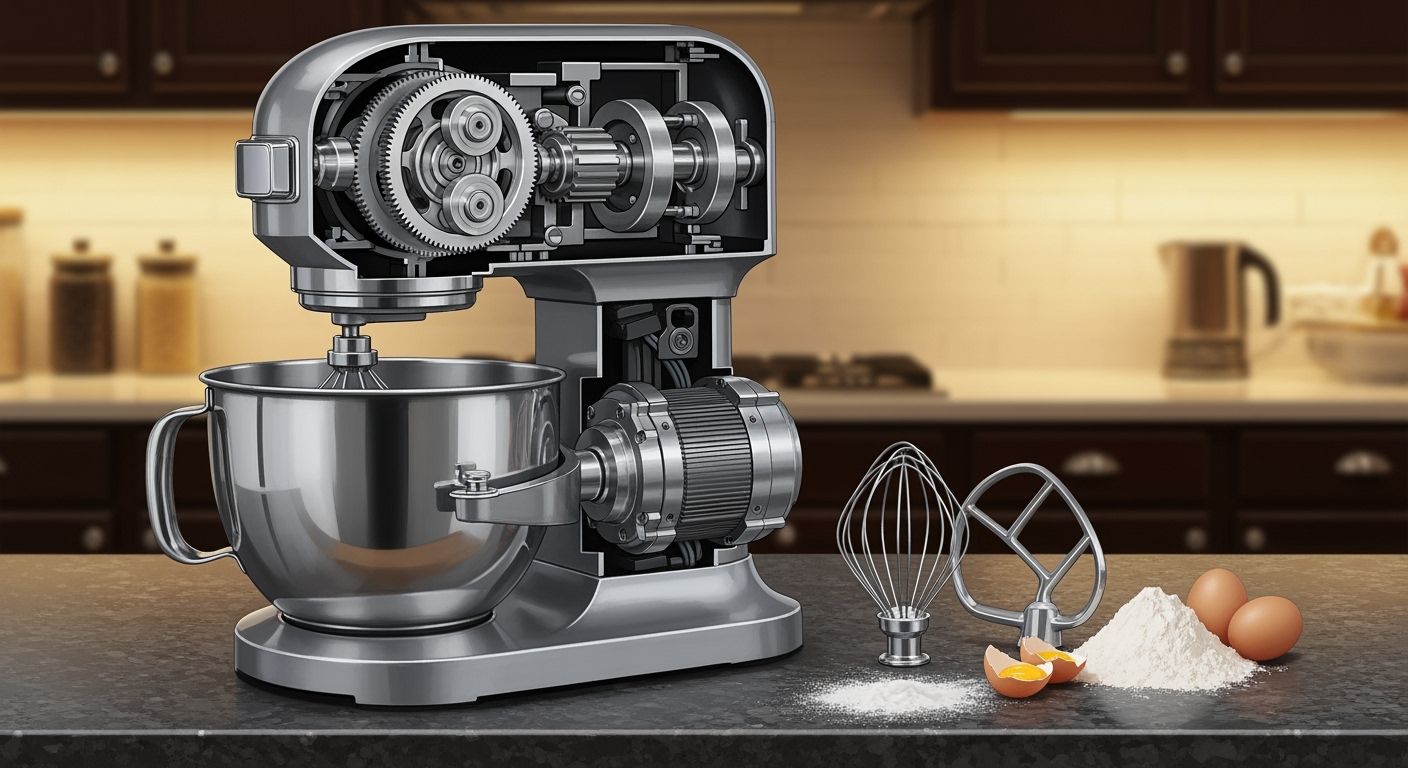
A durable Stand Mixer relies on die-cast metal bodies, all-metal gearboxes, high-torque motors, load-sensing electronics, and solid stainless steel attachments. These core engineering features protect your machine against stripped gears, severe overheating, and complete motor burnout during heavy tasks.
|
Mixer Category |
Estimated Lifespan |
Structural / Build Characteristics |
|---|---|---|
|
High-End Stand Mixers |
Over 10 to 15+ years |
Built with durable all-metal housing and heavy-duty metal gearing designed for long-term endurance. |
|
Budget Plastic Mixers |
Short-to-medium term |
Constructed with lightweight ABS plastic housings that may fail under prolonged heavy usage. |
Evaluating structural component quality ensures maximum appliance reliability. You secure superior long-term kitchen performance effortlessly.
All-metal gear systems handle heavy doughs easily without stripping or breaking during tough mixing tasks.
High-torque motors keep constant power at low speeds to prevent overheating and stalling.
Smart electronic sensors automatically adjust power and shut off the machine to prevent motor burnout.
Cast-metal bodies and stainless steel attachments ensure long-term stability and superior kitchen sanitation.
You rely on solid internal construction when you mix dense doughs or prepare large culinary batches. The structural materials inside your appliance determine its overall lifespan, performance stability, and resistance to wear. A well-engineered Stand Mixer handles heavy daily workloads easily without flexing, severe overheating, or breaking under mechanical pressure. Knowing how these components operate helps you select a machine built for decades of reliable service. You avoid frequent appliance replacements by understanding structural quality.
You need a rigid outer chassis to protect delicate internal components during heavy mixing operations. Heavy-duty die-cast metal housings shield the internal motor frame from intense twisting forces generated during high-speed kneading. Solid metal frames hold internal drive components in precise alignment under heavy torque loads. Plastic bodies flex noticeably under strain during tough mixing tasks. This housing flex causes internal driveshaft misalignment over time. Misaligned driveshafts cause uneven gear wear, loud operational noise, and premature mechanical failure. Metal housings absorb operational vibrations efficiently. This added structural weight keeps your appliance anchored firmly to your kitchen countertop during fast operation. You maintain complete control during complex recipes when your machine remains perfectly stationary. Cast metal structures resist heavy impact damage, surface cracking, and long-term chemical degradation from kitchen spills or food acids. Investing in a solid metal body ensures lasting structural integrity, superior stability, and dependable daily performance for many years.
Gear train materials directly dictate how much power your machine applies to thick, dense mixtures. Standard consumer appliances often use polymer or plastic gears to reduce manufacturing costs significantly. However, heavy bread doughs cause plastic gear teeth to strip, warp, or fail completely under resistance. Machined metal gear trains handle extreme mechanical stress without slipping, stripping, or wearing down over extended use. High-stress baking recipes require robust mechanical parts to maintain consistent mixing speed.
|
Component / Aspect |
Residential Stand Mixers |
|
|---|---|---|
|
Gear Housing & Frame |
Heavy-duty cast iron gear housings |
Stamped steel frames |
|
Bushings & Bearings |
Durable bronze bushings |
Standard consumer-grade assemblies |
|
Gearing Material |
All-metal gear trains (e.g., helical-cut metal in oil baths) |
Polymer/plastic gears |
|
Motor & Duty Cycle |
Industrial AC induction motors built for continuous operation |
Universal motors rated for intermittent duty cycles |
You gain significant performance advantages when choosing all-metal gear assemblies over polymer alternatives. Metal gear systems deliver continuous rotational torque directly to your mixing attachment. Helical-cut metal gears running in sealed oil baths reduce internal friction, lower heat build-up, and minimize mechanical noise during operation. Proper lubrication systems preserve internal parts and ensure smooth power transfer during every use. Durable bronze bushings support rotating drive shafts far better than standard consumer-grade assemblies. These heavy-duty components prevent shaft play and maintain precise gear mesh under peak resistance. Industrial AC induction motors paired with cast metal housings allow continuous operation during demanding baking tasks. Standard universal motors inside lightweight stamped steel frames require frequent cooling breaks to prevent severe motor damage. Choosing all-metal gear architecture protects your equipment against sudden drive failure, extends overall operational lifespan, and eliminates costly appliance repairs.
You need steady motor strength when processing stiff baking ingredients. Motor power determines how well your equipment drives heavy mixtures through long prep cycles. Understanding motor mechanics helps you select a machine capable of handling demanding recipes without mechanical failure. Modern powerhead designs maintain smooth planetary rotation while handling structural strain during tough culinary tasks. You maintain complete speed consistency regardless of batch size or dough viscosity.
Heavy bread doughs create strong physical resistance against mixing attachments. High rotational force at low speeds matters far more than simple raw wattage numbers. Specific numerical torque standards are rarely published across consumer appliance specifications. However, strong low-speed torque allows your machine to knead dense flour matrices smoothly without stalling. This sustained force prevents motor lugging, shaft hesitation, and dangerous operational stalling during heavy yeast dough preparation.
Engineers prefer Direct Current (DC) motors or heavy-duty induction motors over traditional Alternating Current (AC) motors. Direct Current systems maintain maximum torque and low-speed churning power without overheating during extended operations. Standard universal motors lose rotational force when you reduce operating speeds for kneading. Reduced speed forces standard motors to draw higher electrical current and generate excessive internal heat under heavy workloads. DC motors maintain constant rotational momentum through variable electrical loads, so you execute long mixing tasks effortlessly.
Motor wattage ratings directly reflect expected performance levels across different culinary workloads:
|
Usage Level |
Recommended Motor Wattage |
Specific Requirements / Performance |
|---|---|---|
|
Underpowered / Light Use |
< 500 Watts |
Insufficient for routine bread kneading; risks stalling on dense mixtures |
|
Regular Home Kneading |
575 - 600 Watts |
Ideal wattage range to endure standard 8–12 minute kneading processes |
|
Commercial / High-Volume |
1,000+ Watts (or ≥ 1 HP / ~750W) |
Entry threshold for heavy-duty, continuous bread manufacturing |
Selecting a Stand Mixer within the 575 - 600 Watts range provides optimal power for routine home baking. You successfully complete standard 8–12 minute kneading processes without overloading internal electrical circuits.
Modern mechanical design incorporates intelligent electronic controls to protect internal motor components. Advanced load-sensing technology continuously measures rotational resistance on the mixing attachment. The internal microchip automatically adjusts power output based on dough resistance. Stiff bread mixtures cause higher physical friction inside the mixing bowl. The load-sensing system instantly delivers extra electrical current to maintain your chosen operating speed. System monitoring prevents sudden speed drops when you feed raw flour, yeast, and liquids into the bowl. Lightweight cake batters require less mechanical force, so the control board reduces energy draw immediately. This dynamic voltage adjustment protects the motor from strain and extends overall operational lifespan.
Integrated thermal protection sensors safeguard your high-performance Stand Mixer against severe heat damage. Heavy mixing tasks generate internal heat inside the housing frame over extended runtimes. Thermal overload switches monitor internal coil temperatures constantly during operation. The sensor cuts electrical power automatically if internal mechanical components exceed safe thermal operating limits. You avoid permanent stator damage, melted wire insulation, and total motor burnout. The internal fan system cools internal parts safely before you resume your kitchen work. Smart electronic safeguards ensure long-term mechanical reliability under maximum recipe loads every day.
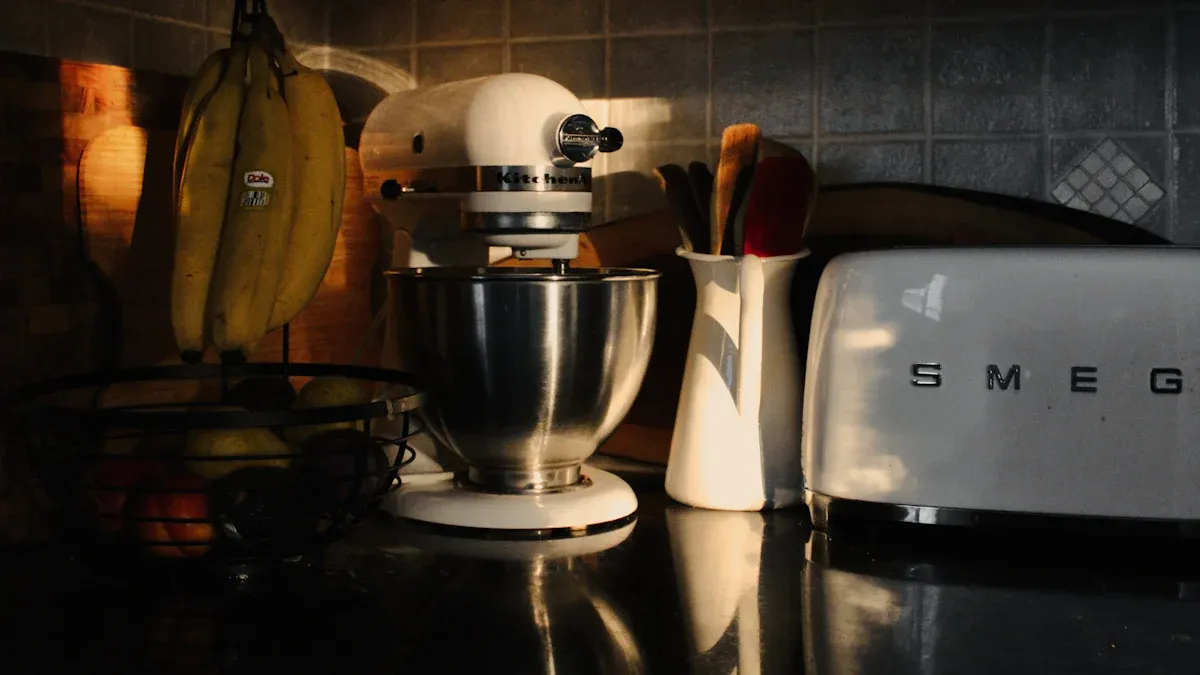
Heavy base construction anchors your appliance during intense dough processing. Massive die-cast foundations absorb severe lateral energy generated by rotating dough hooks. Secure locking mechanisms clamp the mixing head or bowl support frame tightly in place. This solid lockdown prevents your machine from walking across counter surfaces during high-speed operation.
|
Feature / Metric |
Bowl-Lift Design |
Tilt-Head Design |
|---|---|---|
|
Mechanism |
Rises the bowl on two support arms without moving the motor head |
Pivots the motor head backward to access the bowl |
|
Center of Gravity |
Kept lower to enhance frame stability |
Higher center of gravity due to pivoting top assembly |
|
Structural Rigidity |
Maintains continuous rigidity under high-torque, heavy loads |
Subject to incremental flexing under sustained maximum torque |
Choosing the right structural design impacts operational stability. Bowl-lift models keep the motor housing stationary and lower your center of gravity. Dual support arms hold the mixing bowl rigid against violent torque loads. Tilt-head latching systems lock the upper chassis, but heavy doughs create slight flexing at the hinge point over time. A stable base eliminates dangerous machine vibration and preserves internal alignment.
You need resilient mixing accessories to match a powerful internal motor. Commercial-grade stainless steel attachments provide maximum wear resistance during heavy daily prep tasks. Solid stainless steel flat beaters, dough hooks, and wire whisks resist chipping, bending, and pitting. These durable tools handle stiff bread doughs and cold butter without structural deformation.
Standard coated aluminum attachments present significant long-term drawbacks. Protective enamel coatings chip away under heavy mechanical friction. Exposed aluminum beneath damaged coatings reacts with acidic ingredients and corrodes inside your dishwasher. Solid stainless steel eliminates chemical reactions, rust formation, and coating contamination entirely. Investing in full stainless steel hardware ensures long-term sanitation and dependable strength for your Stand Mixer.
All metal gears, high torque motors, dynamic load sensing safeguards, and heavy base construction guarantee reliable kitchen performance. You achieve exceptional baking results when these robust engineering features work together. High grade appliances handle dense doughs effortlessly every day.
Investing in a durable unit yields far greater value than buying cheap budget alternatives. Plastic components strip quickly under stress, but solid metal drive systems endure continuous strain without failing. You save money by avoiding frequent replacements and costly repairs.
Before purchasing your next Stand Mixer, examine the internal build specifications and hardware materials carefully. You must choose solid stainless steel attachments and cast metal housings to secure maximum operational lifespan.
Machined metal gears handle intense mechanical stress without stripping or warping. Polymer gears break under heavy dough resistance. Metal assemblies deliver continuous rotational power directly to your attachment.
Direct Current motors maintain maximum rotational torque at low speeds without overheating. Standard universal motors lose turning force during heavy tasks. You execute long 8–12 minute kneading cycles smoothly.
Internal microchips measure physical resistance continuously. The system adjusts electrical current instantly to maintain your selected speed. Dynamic voltage control protects your Stand Mixer motor from extreme strain under dense loads.
Stainless steel tools resist bending, chipping, and pitting during tough mixing tasks. Protective enamel coatings on aluminum chip off over time. Exposed aluminum reacts with acidic food ingredients and corrodes inside your dishwasher.



Tel : +86-755-8450 0805
Email : sale@sanlidaco.com
No.27,Jiangjunmao lndustrial area, Wulian community, Longgang street,Longgang district, Shenzhen City, Guangdong Province, China 518083
© 2026 Shenzhen Sanlida Electrical Technology Co.,Ltd
